Broad First Aid Content
Cover injuries, sudden illness, wounds, scene care, and emergency decisions.

Standard First Aid with BLS BC combines broad first aid care with team-based healthcare CPR in one training pathway. It can suit students and professionals who need both credentials for school, placement, or work. BC First Aid Courses helps learners compare the combined route with stand-alone BLS and Standard First Aid.

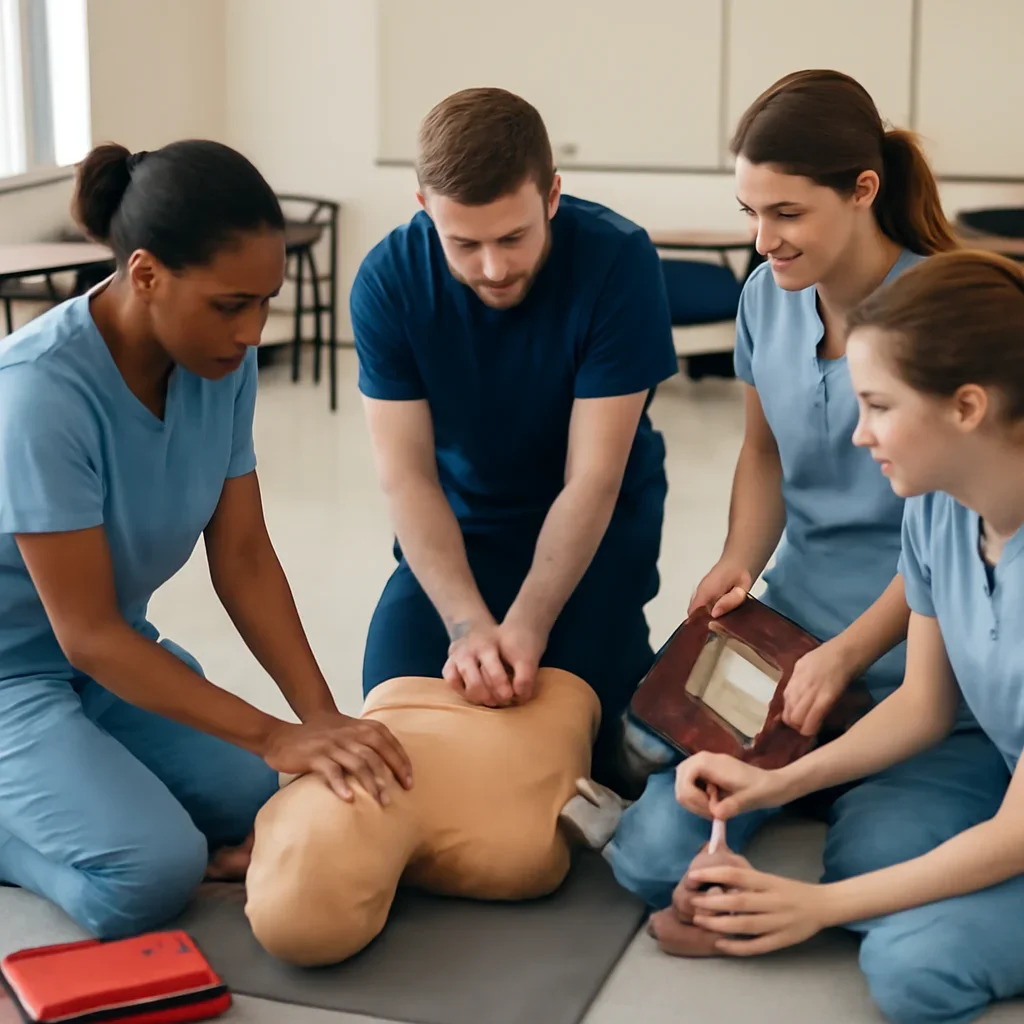
Some programs want more than a BLS card. They may also require Standard First Aid for injuries, sudden illness, and wider emergency care. A combined path can reduce planning because both areas are arranged within one course package.
Do not assume the bundle is always required. The BLS versus Standard First Aid with BLS guide helps separate stand-alone and combined needs. Learners comparing CPR types can also use the Standard First Aid CPR C versus BLS comparison.
Broad Care Plus Clinical CPR. In Standard First Aid With BLS BC, the instructor connects each skill to a clear response order and course standard.
Use the written requirement and current listing when a Standard First Aid With BLS BC detail affects work, school, or licensing.
A combined pathway covers separate Standard First Aid and BLS requirements. Confirm the exact certificate delivery details shown for the class.
The Red Cross lists BLS as a one-year certificate, while Standard First Aid is listed for three years.
Healthcare learners are a common audience, but any person who needs both training areas may use the combined route.
For Standard First Aid With BLS BC, use these points to check the course against your deadline and certificate need.
Cover injuries, sudden illness, wounds, scene care, and emergency decisions.
Add team roles, assisted ventilation, rapid checks, and high-performance CPR.
Standard First Aid and BLS can have different certificate expiry cycles.
The course turns each topic into a practical action that can be checked and improved.
Assess hazards, call for help, and set priorities before treatment.
Provide first care for wounds, sudden illness, and common physical injuries.
Use strong compressions, fast role changes, and clear team communication.
Blend defibrillation and assisted breaths into a coordinated response.
Meet the required course standards for both areas of learning.
Store each digital record and monitor the earlier renewal date.
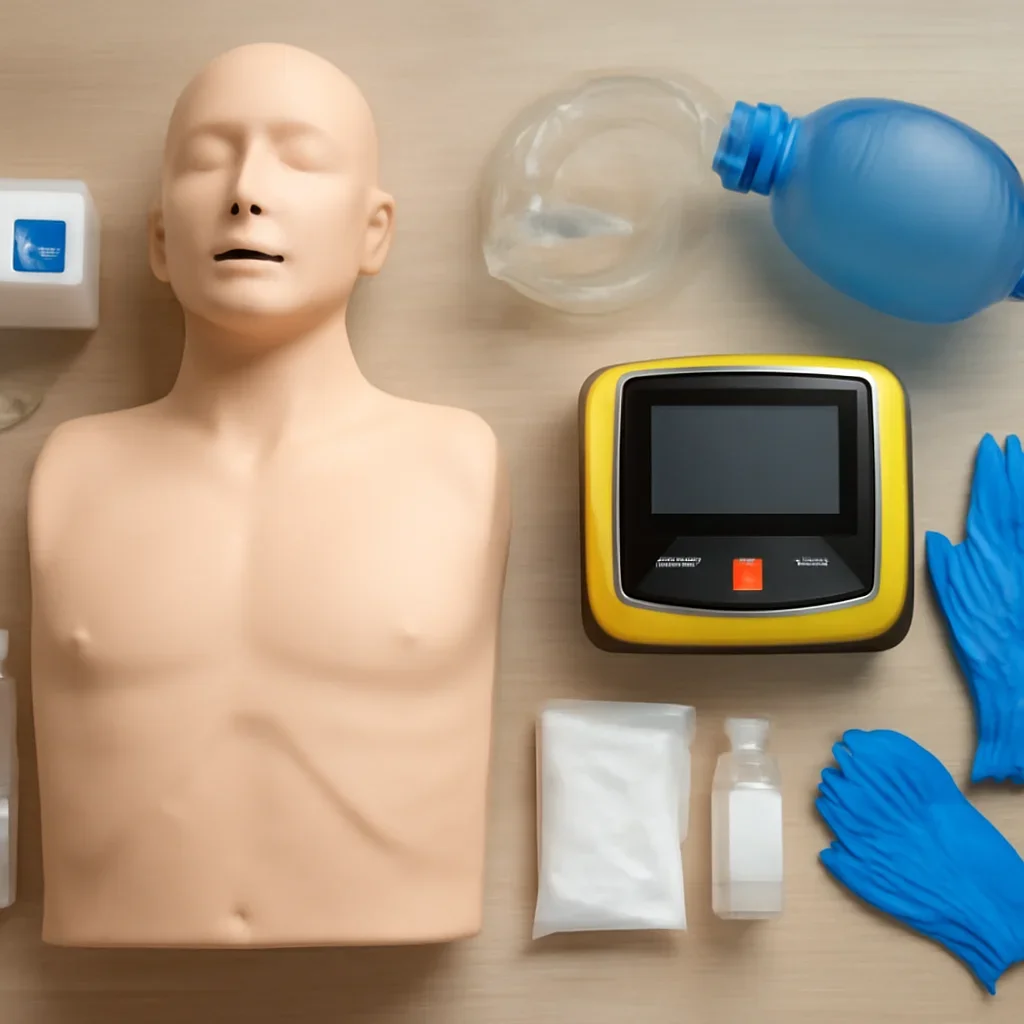
Compare your program list with the course package, then set reminders for each certificate instead of treating them as one expiry.
