 Hands-On Practice
Infant And Child CPR Basics
The Infant and Child CPR Basics course gives families a focused place to practise CPR, choking response, and other age-specific emergency steps.

First aid course for parents BC families choose should build useful skills for babies and children without adding an unneeded job certificate. Focus on the people in your care, the situations you worry about, and the practice you want.
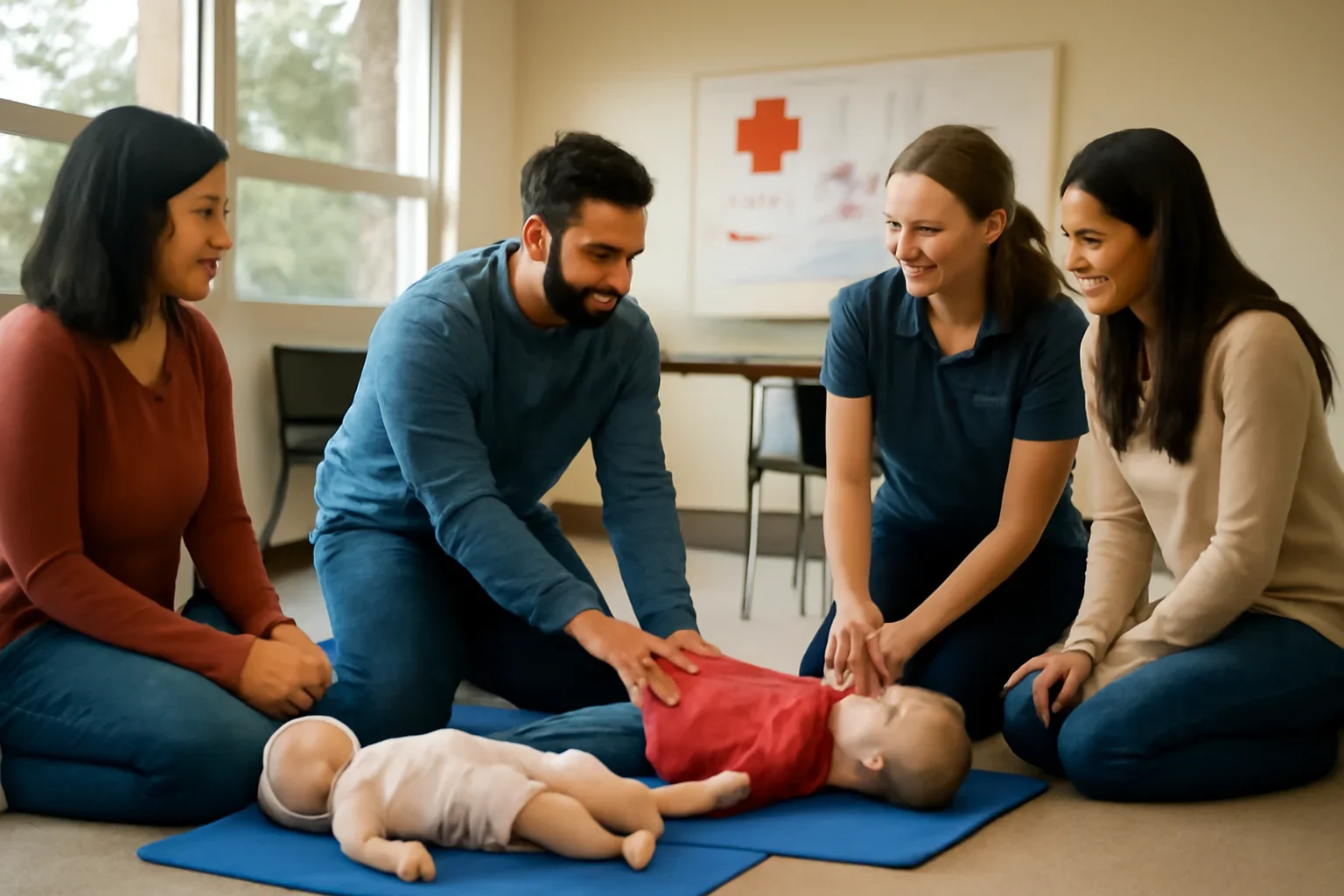
Parents, grandparents, relatives, and other caregivers can choose skills-first learning when employment proof is not required.
Hands-On Practice
The Infant and Child CPR Basics course gives families a focused place to practise CPR, choking response, and other age-specific emergency steps.
A family plan is stronger when parents, grandparents, and regular caregivers use the same response steps and contact plan.
Physical repetition helps learners move beyond simply knowing that CPR or choking care exists.
Family training should support quick emergency calls and safe action, not replace medical care.
Useful learning connects skills with places families know. A caregiver may need to respond during feeding, play, sleep, travel, or a visit with relatives.
Recognize when a child needs help and follow age-appropriate response steps.
Practise assessment, emergency calls, and CPR actions for babies and children.
Learn a calm approach to scene safety, comfort, and deciding when more help is needed.
Use clear words to direct another adult, contact emergency services, and share key details.
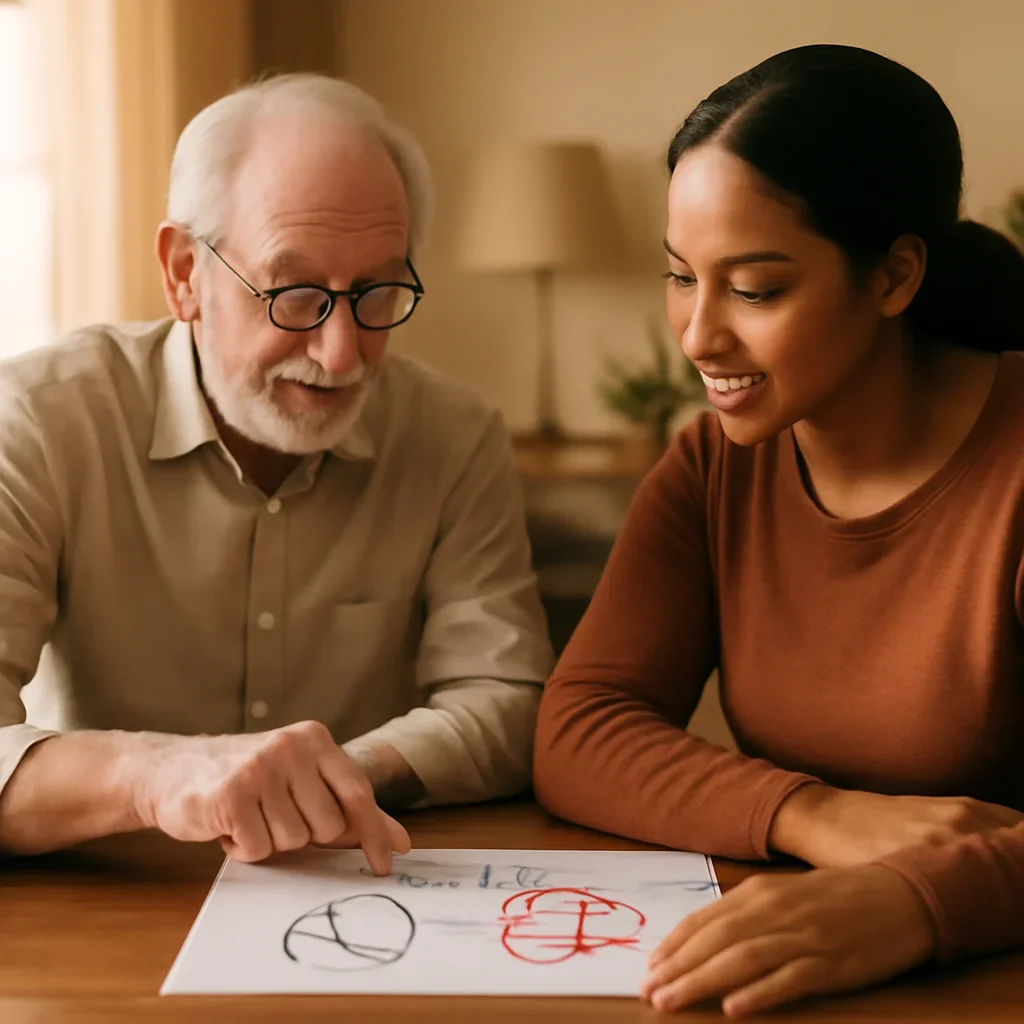
Choose the family route when the goal is confidence at home. Choose a job-focused course only when an employer, school, or care setting needs a named certificate.
The childcare and parent first aid hub compares both paths. Childcare employees can use the worker-specific guide for certificate planning.
Write down the age of the child, the care setting, and the emergency topics you most want to understand before class.
A short review at home helps the course skills stay connected to the family's real setup.
Keep clear phone numbers and address details where regular caregivers can find them.
Store useful supplies in a known place and keep them out of young children's reach.
Share the response plan with grandparents, sitters, and relatives who provide care.
Repeat key steps from time to time so the sequence stays familiar.
BC First Aid Courses helps parents and caregivers find a family learning route without confusing it with an employment certificate. Choose a date when the people who share care can attend.
